What Are the Best Methods to Keep Cavities From Forming?
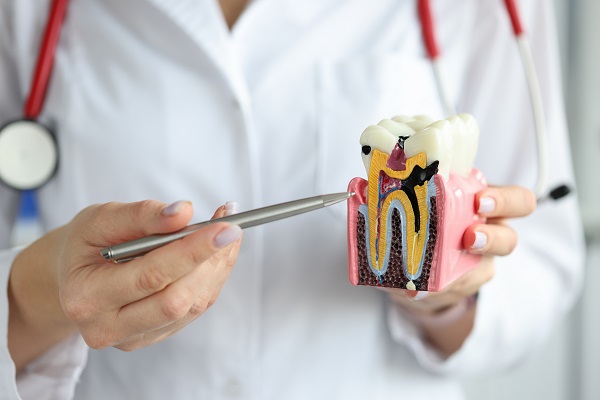
Cavities are one of the most common reasons that people seek dental treatment. These small holes develop on teeth surfaces due to acids in the mouth eating away at them. Bacteria in the mouth consume sugars and excrete these acids.
The earliest stage of tooth decay can be reversed if a dentist detects it early on. It is known as the demineralization stage, and it can be reversed with a fluoride treatment.
The latter stages of tooth decay require treatments like fillings, composite bonding, or crowns to prevent the decay from destroying the tooth. An untreated cavity can also lead to an infection. That requires a root canal from a general dentist. They will clean out the contents of the pulp chamber and apply medication to the area.
Best ways to prevent cavities
Cavities are easy to avoid if patients take good care of their mouth and avoid foods and beverages that promote tooth decay. Here are a few ways to keep the teeth decay-free.
1. Brush twice daily
Brushing the teeth twice a day helps remove the things that lead to decay. Bacteria in the mouth form plaque, the sticky, transparent film that forms over teeth during the day. Plaque contains bacteria and their acids, so it gradually eats away at teeth surfaces.
Fortunately, plaque can be removed by brushing the teeth regularly. Brushing after every meal provides maximum protection, but many people have difficulty keeping up with that oral hygiene schedule. Brushing twice a day also provides adequate protection, especially right before bed. Saliva production is decreased during sleep, which makes teeth more vulnerable to tooth decay. Also, food particles and the acids produced by bacteria have built up all day, so it is best to get them off the teeth before going to bed.
When left on teeth for a few days, plaque hardens into tartar, which cannot be removed by brushing. Tartar contains acids made by oral bacteria and can only be removed by a dentist during teeth cleaning. Removing it requires using a dental tool called a scaler, and it requires training and experience to perform the procedure safely.
2. Floss daily
Flossing helps get rid of plaque in the spaces between teeth. These areas are too narrow to reach with the bristles of a toothbrush. Aim to floss once a day before or after brushing teeth at night.
3. Limit exposure to sugar
Sugar is the number-one thing that people who are concerned with cavities should avoid. Bacteria in the mouth love it, and it gives them the fuel that they need to make the acids that damage teeth. Sugary drinks or snacks should be quickly consumed and the mouth rinsed with water afterward.
We can help prevent cavities
Take good care of your teeth, and cavities will not be something that you have to spend much time dealing with. So, give us a call or visit our Huntsville clinic for more tips on how to prevent tooth decay and for cavity treatment.
Request an appointment here: https://www.yourhuntsvilledentist.com or call René A. Talbot, DDS at (256) 382-6690 for an appointment in our Huntsville office.
Check out what others are saying about our dental services on Yelp: General Dentist in Huntsville, AL.
Recent Posts
If a cold drink or a hot meal consistently triggers tooth sensitivity, you may wonder whether the sharp flash of pain warrants a professional dental visit. A main goal of general dentistry is to catch minor issues before they become major issues. Here are some tips on when you should seek professional dental care for…
Maintaining a robust oral hygiene routine is one of the most effective ways to promote a bright, healthy smile. A general dentist emphasizes the importance of both daily and professional care in maintaining oral health. Here are some helpful tips to help you maintain your smile between dental visits.A general dentist typically recommends brushing at…
You might want to head to a general dentist if you find yourself dealing with a cavity. Cavities are tiny holes that form on teeth because of tooth decay. Acids created by oral bacteria eat away at teeth surfaces, creating those tiny holes. Other symptoms include reoccurring toothaches, increased sensitivity to hot and cold foods,…
General dentistry consists of a lot of routine oral health care, which also happens to include restoring teeth that are in bad shape due to damage. Common damage may include cracks, chips, or cavities, all of which can be addressed with the help of different dental restorations. Continue reading to find out what dental restoration…