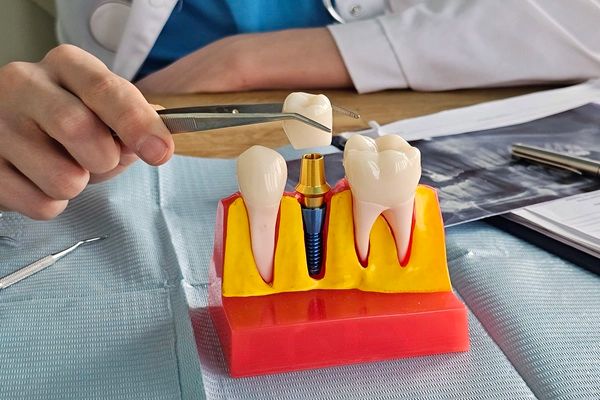
Dental Implants Are a Popular Solution for Tooth Loss
More people are getting dental implants than ever before. This is because people around the country have discovered that they do not have to live with the stigma of tooth loss. Tooth loss can be extremely traumatic for some people, especially when the tooth loss happens at a young age. Dealing with the embarrassment is compounded by the fact that tooth loss forces people to make lifestyle changes, including how they eat and speak. With dental implants, you do not have to deal with those kinds of changes.
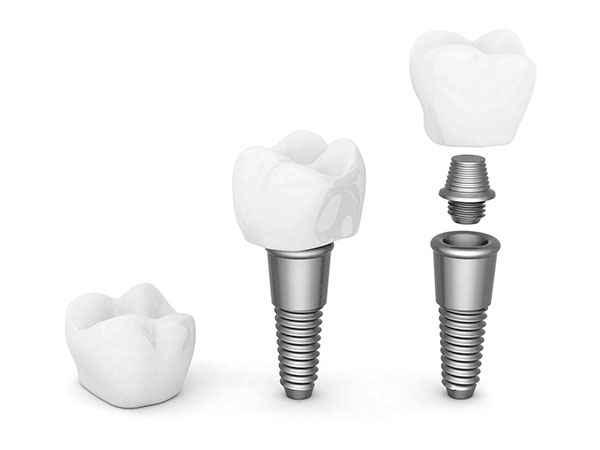
There are numerous technologies and methods for dealing with tooth loss. However, none are as advanced as dental implants. While dentures and bridges address the fundamental problem, which is a missing tooth, they do nothing to brace the tooth or to address the root of the problem. This means that these solutions have to be adhered to the surface of the mouth somehow, typically with wires or dental cement. On the other hand, dental implants focus their attention on the root. In fact, a dental implant is a tiny titanium screw that is placed into the jawbone, taking the place of a natural tooth's root. This provides a strong and stable platform under the gum line, which then allows us to place a dental crown, or tooth, on top of the abutment.
Getting dental implants is a lot simpler than it used to be a few years ago. Simultaneously, science continues to dispel some of the popular myths that surround dental implants. For the longest time people have been looking at dental implants, and elsewhere around the country, as a purely aesthetic endeavor. This is an understandable misconception. When you get a dental implant, you are going to be getting a perfect tooth that is almost an identical replica of your original one. There are no wires holding it in place, so all you have is a new tooth. In fact, we can give you a tooth, or teeth, that look far better than your original ones. Naturally this perfection has led to the idea that all we care about is the aesthetics. Nothing could be further from the truth, and science is starting to show this. We know, for example, that when you use a dental implant to replace a lost tooth, the implants acts like a naturally occurring root. It creates a symbiotic relationship with the jawbone, which in turn allows the jawbone to receive stimulation from the prosthetic. This helps the jaw to avoid resorption and also keeps the facial structure from a potential collapse.
There are already 3 million people across the nation that have gotten dental implants. What we know is that the rate of dental implants is increasing annually, but that there are a lot of people still using antiquated technology. In our dentist office, we encourage every one of the 15 million Americans that are using bridges or dentures to consider switching to get the best looking, most effective, longest lasting tooth replacement available today.
Dental implants can replace missing teeth, but some patients may need a tooth extraction before treatment begins. This depends on whether a damaged or unhealthy tooth remains in the area where the implant will go. Our general dentist can examine your tooth, gums, and jawbone to decide whether saving the tooth or removing it offers…
Whether you are about to book an appointment for tooth implants or you have just undergone the procedure, you probably want to learn proper aftercare to ensure healing and recovery. One of the questions that patients often ask is what and what not to eat after surgery. Although placing implants ensures that you have dental…
If the idea of getting dental implants intrigues you, it may be time to speak to your dentist about this treatment. You need sturdy teeth for good oral health, as well as to eat and smile normally. Implants not only improve your mouth’s function but will also look just like your natural teeth.While dental implants…
There is a lot to think about when it comes to dental implants. This tooth-replacement treatment is an effective way to revitalize your smile and restore the ability to chew. The process can take several months, and the recovery can be lengthy. As you learn more about this procedure, you can make the right decision…
Teeth whitening has become one of the most popular cosmetic dental treatments, and many patients choose at-home options because they offer convenience without sacrificing professional oversight. Unlike over-the-counter products, professionally provided whitening systems combine customized treatment with predictable results. A dentist often recommends the right whitening approach based on each patient's goals, oral health, and…
Dental implants can replace missing teeth, but some patients may need a tooth extraction before treatment begins. This depends on whether a damaged or unhealthy tooth remains in the area where the implant will go. Our general dentist can examine your tooth, gums, and jawbone to decide whether saving the tooth or removing it offers…
 More people are getting