An Emergency Dentist Talks About 4 Ways You Can Avoid an Emergency
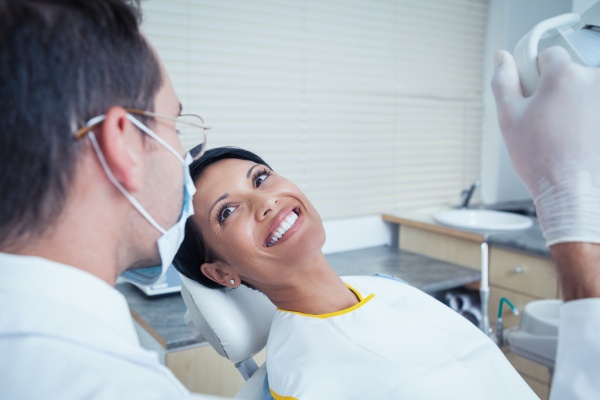
Do you need an emergency dentist? The best way to deal with a dental emergency is to prevent it from occurring in the first place. Although emergency dentists offer services when urgent dental care is needed, they also strive to help patients prevent emergencies from happening through good oral hygiene, wearing a mouthguard, and avoiding hard and sticky foods.
4 Tips from an emergency dentist on emergency prevention
Everyone should evaluate their daily routine and diet to find ways that they can minimize the risk of damage to teeth from poor oral hygiene or dental trauma. There are several more common ways to avoid a dental emergency, which includes practicing good oral hygiene, protecting teeth properly, and avoiding harmful foods and drinks.
1. Keep teeth healthy with good oral hygiene
One of the main causes of a dental emergency is oral health complications, such as oral infections and severe dental cavities that result in more concerning and painful symptoms. To prevent this, patients should brush their teeth several times a day, floss at least once a day (ideally after each meal), and keep the mouth clean with mouthwash and by drinking water throughout the day. This prevents a build-up of bacteria and food particles that can increase the risk of dental cavities and oral infection.
2. Protect teeth during physical activity
Another reason many visit the emergency dentist is to receive treatment for dental trauma. This occurs when there is a blow to the mouth that results in damage to one or more teeth or the gums. The best way to prevent dental trauma is to take precautions during physical activities such as playing contact sports, lifting weights, and working in outdoor areas (i.e. construction zones). If in a vulnerable situation or area where a blow to the face is possible, then consider wearing a mouthguard or another type of protective gear that reduces the risk of dental trauma.
3. Avoid foods that may cause teeth chips and cracks
Dietary choices play a large role in preventing oral health concerns or dental trauma. To reduce the risk of dental cavities, oral infections, etc., limit the intake of sugar and other carbohydrates. Also, biting down on hard or sticky candies, ice, and other hard foods can damage teeth and even lead to chips and cracks, and being careful while chewing is also essential.
4. Visit the dentist for routine checkup visits
Some cavities that are far back in the mouth are hard to detect without routine checkup visits. Cavities that are not promptly treated can increase the risk of a dental emergency. Subsequently, emergency dentists typically recommend routine checkup visits as a way to minimize the risk of needing emergency treatment to deal with severe tooth pain, sensitivity, and other symptoms of a tooth infection or severe dental cavity.
Looking for an emergency dentist?
If you have a dental emergency and need urgent treatment, then contact our emergency dentist team now for prompt assistance. We take pride in providing quality care to patients who need immediate treatment, and we offer a range of emergency dentistry services.
Are you considering an emergency dentist in the Huntsville area? Get more information at https://www.yourhuntsvilledentist.com.
Check out what others are saying about our services on Yelp: Read our Yelp reviews.
Recent Posts
Even though a kids dentist can help children build healthy habits through regular dental checkups, much of their daily oral care happens at home. Parents play an important role in teaching proper brushing, encouraging consistency, and making dental hygiene feel like a normal part of the day. Small routines can help children protect their teeth…
Dentures can restore a complete smile and make everyday eating and speaking easier, but they still need regular professional attention. Changes in fit, comfort, or appearance may signal that an adjustment or repair is necessary. A general dentist can evaluate the problem and help protect the gums, jaw, and remaining teeth.Dentures experience daily pressure from…
Teeth whitening has become one of the most popular cosmetic dental treatments, and many patients choose at-home options because they offer convenience without sacrificing professional oversight. Unlike over-the-counter products, professionally provided whitening systems combine customized treatment with predictable results. A dentist often recommends the right whitening approach based on each patient's goals, oral health, and…
Dental implants can replace missing teeth, but some patients may need a tooth extraction before treatment begins. This depends on whether a damaged or unhealthy tooth remains in the area where the implant will go. Our general dentist can examine your tooth, gums, and jawbone to decide whether saving the tooth or removing it offers…