Emergency Dentistry Services for a Fractured Tooth During the COVID-19 Pandemic

A fractured tooth requires emergency dentistry if the damage to the tooth affects its inner chambers. A fractured tooth can be caused by a variety of things like trauma from sports/accidents, biting on hard foods and bruxism.
The COVID-19 pandemic has led to many dentists limiting their services to only emergency dentistry to reduce the risk the virus poses to dentists and their patients. Many oral health professionals are now using video conferencing tools to diagnose patients and to help them determine if they need emergency dental care.
Emergency dentistry services for fractured teeth during COVID-19
There are a variety of ways to go about treating fractured teeth. The procedure the dentist recommends depends on the tooth's location and the severity of the fracture. Common treatments used to fix fractured teeth include:
Composite bonding
This is typically the cheapest way to fix a fractured tooth and it is usually used for mild to moderate fractures. It involves covering the tooth with a composite resin that is color-matched with the rest of the patient's teeth. The composite is shaped as desired before being hardened with a curing light. The process of composite bonding does not require any permanent alterations being made to the tooth. It only requires using an etching solution to roughen up the tooth. The patient is still free to cover up the fracture with some other restoration, like crowns, in the future.
Dental crowns
Crowns can be used for moderate to severe fractures. The tooth is prepared for the crown by removing enamel from all its sides. Reshaping the tooth creates a better fit for the crown. The crown is customized for the patient using an impression or digital images of their teeth. A crown prevents the tooth from breaking apart and protects it from bite forces generated when chewing.
Root canal
Root canals can be used to save severely fractured teeth with compromised pulp chambers. The procedure involves drilling a hole into the tooth and using files to remove the blood vessels and nerve. This helps to prevent the tooth from becoming infected. The dentist finishes the procedure by sealing the tooth and covering it up with a crown. A tooth that has been restored with a root canal can last the rest of the patient's life.
Extraction
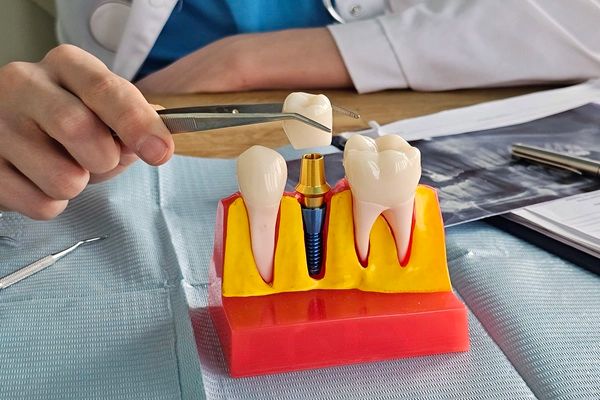
This option is typically explored when the tooth is severely damaged as a result of the fracture. The dentist might opt for a surgical or simple extraction depending on how much of the tooth is left. An extraction counts as oral surgery and it can take up to two weeks to recover from it. The dentist will usually replace the extracted tooth with an implant, which is the next best thing to real teeth. Only a small percentage of fractured teeth require extraction.
Get emergency dentistry care for your fractured tooth
We are currently providing emergency dentistry despite the COVID-19 pandemic. Call or visit our Huntsville clinic to get the process started.
Request an appointment here: https://www.yourhuntsvilledentist.com or call René A. Talbot, DDS at (256) 382-6690 for an appointment in our Huntsville office.
Check out what others are saying about our services on Yelp: Read our Yelp reviews.
Recent Posts
Teeth whitening has become one of the most popular cosmetic dental treatments, and many patients choose at-home options because they offer convenience without sacrificing professional oversight. Unlike over-the-counter products, professionally provided whitening systems combine customized treatment with predictable results. A dentist often recommends the right whitening approach based on each patient's goals, oral health, and…
Dental implants can replace missing teeth, but some patients may need a tooth extraction before treatment begins. This depends on whether a damaged or unhealthy tooth remains in the area where the implant will go. Our general dentist can examine your tooth, gums, and jawbone to decide whether saving the tooth or removing it offers…
Dental cleanings are an essential part of maintaining good oral health. However, there are other actions patients can take to maintain a healthy smile in between these visits. Brushing and flossing are a foundation of oral hygiene but are just a start. The following simple and practical tips can make for a healthier, more beautiful…
Teens navigate a busy world where school, sports, and social lives often take priority over oral hygiene routines. Regularly seeing a family dentist for dental cleanings provides the support needed to keep permanent teeth healthy during these high-activity years. These appointments offer a consistent environment for growth and wellness as teens gain more independence.Many teens…