Invisalign Treatment for Excessive Spacing Between Teeth
A smile is one's first greeting, and with Invisalign®, there is no need to worry about certain cosmetic aspects of that smile. Many aspects of tooth development affect how adult teeth wind up looking. One issue is significant gaps between teeth. These extra spaces are most noticeable when they occur in the front teeth. However, gaps can be found throughout a person’s mouth. How do these spaces form, and how can corrective treatment like Invisalign® help?
The causes of gaps
There is no one reason why teeth grow in with excessive spacing. The phenomenon, known as diastema, may have genetic foundations in people with smaller teeth. One theory is that smaller teeth take up less space, and as a result, they spread to fill the jaw. Other times, the gap between the top front two teeth forms when excess gum tissue is present and pushes the teeth apart. Healthline.com notes additional causes of diastema:
- Thumb sucking
- Improper swallow reflex (tongue thrust)
- Gum disease
Taking a medical history may help a treatment provider determine how diastema forms for each patient.
Treating cosmetic dental issues with Invisalign®
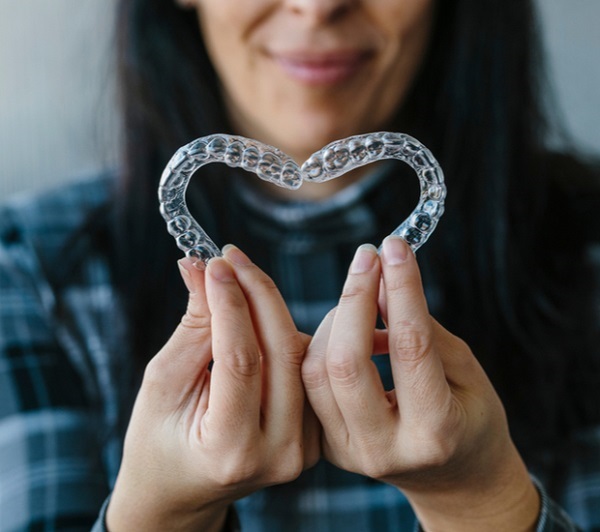
Correction for diastema and other matters may be achieved using Invisalign®, a system of trays that help realign teeth over time. There are many benefits to using this type of system to fix tooth alignment. From a cosmetic standpoint, the near invisibility of the trays makes it appeal to adults who decide to correct issues later in life. Even teenagers may prefer this near-invisible orthodontic device that can be an effective treatment option for various conditions.
Treating diastema
Invisalign® trays are made to fit each patient’s mouth and treatment needs. If gaps exist anywhere in the mouth, the progressive treatment can eventually close these spaces. As treatment goes on and trays become tighter, the gaps start to close. However, there may be an initial widening of any gap while the treatment aims to fix other issues.
Correcting crooked teeth
Crooked teeth can affect how a person feels about their appearance. Invisalign® aims to straighten misaligned teeth. Over a period determined by the provider, progressively arranged versions of the trays are swapped to bring the teeth closer together and straighter. Cosmetically speaking, a straight smile looks more appealing than a crooked one. Looking better leads to feeling better for many, boosting confidence and self-esteem.
Fixing bite issues
Overbites are some of the most common dental problems, and whether the root of the problem lies in the jaw or teeth varies from case to case. Correcting the bite problem is possible with Invisalign®. Rubber bands are used to help put pressure on various parts of the teeth and shift them more radically.
Conclusion
Using a treatment plan that includes Invisalign® can be an effective remedy to close excessive tooth spacing. The versatility of the treatment can aim to correct other cosmetic problems in the mouth as well, making for improvements in a patient's overall smile.
Request an appointment here: https://www.yourhuntsvilledentist.com or call René A. Talbot, DDS at (256) 382-6690 for an appointment in our Huntsville office.
Check out what others are saying about our services on Yelp: Read our Yelp reviews.
Recent Posts
Even though a kids dentist can help children build healthy habits through regular dental checkups, much of their daily oral care happens at home. Parents play an important role in teaching proper brushing, encouraging consistency, and making dental hygiene feel like a normal part of the day. Small routines can help children protect their teeth…
Dentures can restore a complete smile and make everyday eating and speaking easier, but they still need regular professional attention. Changes in fit, comfort, or appearance may signal that an adjustment or repair is necessary. A general dentist can evaluate the problem and help protect the gums, jaw, and remaining teeth.Dentures experience daily pressure from…
Teeth whitening has become one of the most popular cosmetic dental treatments, and many patients choose at-home options because they offer convenience without sacrificing professional oversight. Unlike over-the-counter products, professionally provided whitening systems combine customized treatment with predictable results. A dentist often recommends the right whitening approach based on each patient's goals, oral health, and…
Dental implants can replace missing teeth, but some patients may need a tooth extraction before treatment begins. This depends on whether a damaged or unhealthy tooth remains in the area where the implant will go. Our general dentist can examine your tooth, gums, and jawbone to decide whether saving the tooth or removing it offers…