What Is Periodontics?
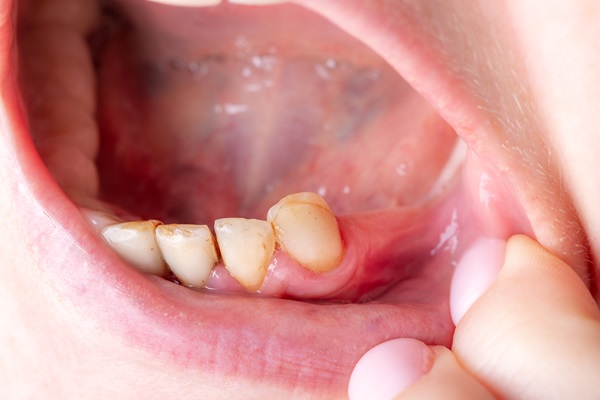
Periodontics is a branch of dentistry that focuses on studying, diagnosing, and treating issues that affect the gums and the bone structures that support teeth. Periodontal disease is the leading dental problem that periodontics focuses on.
Periodontal disease is an infection of gum tissues caused by the bacteria in plaque and tartar getting below the gum line. Plaque is the sticky film that is covering your teeth when you wake up in the morning or after a nap. It contains bacteria and hardens into tartar when left on teeth for more than a day. Plaque can be cleaned off by brushing or flossing teeth, but tartar deposits cannot. A metal tool called a scaler is used to scrape these hard deposits off teeth surfaces. Tartar builds up at the base of teeth, and it can eventually work its way into gum pockets and teeth roots.
Common treatments used in periodontics
Let us take a look at a few of the treatments used to treat infected gum tissues.
1. Teeth cleanings
Teeth cleanings are the most commonly performed preventative treatments in dentistry. They involve the dentist removing plaque and tartar from teeth surfaces and polishing the teeth afterward. Cleaning protects teeth against the two most common dental problems: gum disease and tooth decay.
The American Dental Association recommends getting teeth cleaned at least two times per year. The procedure can help reverse the first stage of periodontal disease: gingivitis.
2. Deep cleanings
A deep cleaning is a more extensive version of a standard teeth cleaning. It involves everything done during a regular teeth cleaning, as well as removing tartar from teeth roots and gum pockets. The procedure is typically broken down into multiple treatments because recovery involves dealing with gum soreness for a few days.
3. Gum grafts
Periodontal disease leads to symptoms like gum tissues pulling away from teeth, which leaves teeth roots exposed, creating various problems. Teeth roots are not as resistant to the acids made by oral bacteria because they do not have enamel protecting their outer layer. Instead, they are covered with cementum, which is not as durable. Exposed teeth roots are vulnerable to decay for this reason.
Gum grafts are typically recommended to cover up exposed teeth roots. The procedure requires minor oral surgery and involves taking donor tissues from other parts of the mouth and using them to cover up the exposed teeth roots. Gum grafts are also performed to restore gum structures that have been damaged by periodontal disease.
4. Bone grafts
Bone grafts are recommended when the bone structures that hold teeth in place have been damaged. The procedure is often performed using sterilized donor tissues from cows or synthetic materials that stimulate the production of healthy bone tissues. Bone grafts are also performed when a patient has jawbone deterioration due to missing teeth. They can thicken the jawbone so the missing tooth can be replaced with an implant.
Keep your gums healthy
Are you noticing any symptoms of periodontal disease? Call or stop by our Huntsville clinic to set up an appointment with our dentist.
Request an appointment here: https://www.yourhuntsvilledentist.com or call René A. Talbot, DDS at (256) 382-6690 for an appointment in our Huntsville office.
Check out what others are saying about our services on Yelp: Periodontics in Huntsville, AL.
Recent Posts
Even though a kids dentist can help children build healthy habits through regular dental checkups, much of their daily oral care happens at home. Parents play an important role in teaching proper brushing, encouraging consistency, and making dental hygiene feel like a normal part of the day. Small routines can help children protect their teeth…
Dentures can restore a complete smile and make everyday eating and speaking easier, but they still need regular professional attention. Changes in fit, comfort, or appearance may signal that an adjustment or repair is necessary. A general dentist can evaluate the problem and help protect the gums, jaw, and remaining teeth.Dentures experience daily pressure from…
Teeth whitening has become one of the most popular cosmetic dental treatments, and many patients choose at-home options because they offer convenience without sacrificing professional oversight. Unlike over-the-counter products, professionally provided whitening systems combine customized treatment with predictable results. A dentist often recommends the right whitening approach based on each patient's goals, oral health, and…
Dental implants can replace missing teeth, but some patients may need a tooth extraction before treatment begins. This depends on whether a damaged or unhealthy tooth remains in the area where the implant will go. Our general dentist can examine your tooth, gums, and jawbone to decide whether saving the tooth or removing it offers…